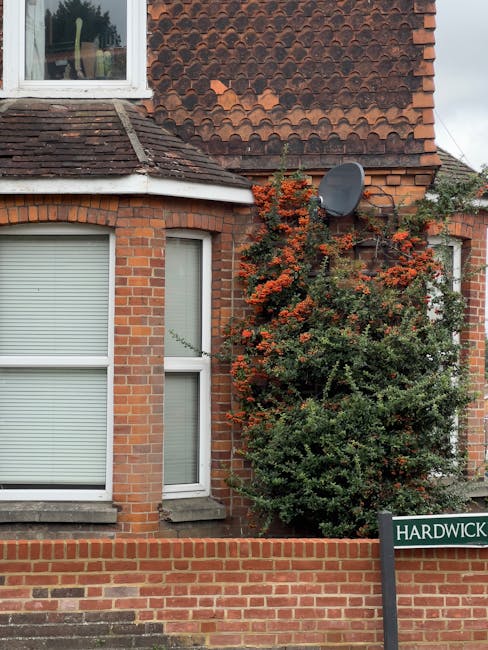
Chislehurst High Street gardeners for small front gardens: a practical local guide
Small front gardens can be deceptively tricky. They're the first thing people see, but they also have to work hard: look tidy, suit the house, cope with shade or street dust, and not become a weekly burden. That is exactly where Chislehurst High Street gardeners for small front gardens can make a real difference. The right approach is not about squeezing in every plant you like. It is about making a compact space feel welcoming, balanced, and easy to live with.
If you have a narrow strip of soil, a modest paved frontage, or a tiny garden that always seems to look "nearly there", you are not alone. In our experience, these spaces often need more thought than bigger gardens. A good local gardener will understand how to simplify the layout, improve structure, and choose plants that actually cope with the conditions outside your door. That might mean smart pruning, better edging, fresh mulch, or a planting plan that looks good in February as well as June. Lets face it, a front garden should not need constant babysitting.
This guide explains what small-front-garden gardening involves, why local knowledge matters on and around Chislehurst High Street, how the work usually happens, and what to look for if you are deciding whether to bring in help. You will also find a step-by-step process, a comparison table, practical mistakes to avoid, and a checklist you can use before you book anything. If you're also thinking about other garden tasks nearby, you may want to look at regular garden maintenance, hedge cutting and shaping, or lawn care services to keep the whole frontage looking coherent rather than patchwork.
Table of Contents
- Why Chislehurst High Street gardeners for small front gardens Matters
- How Chislehurst High Street gardeners for small front gardens Works
- Key Benefits and Practical Advantages
- Who This Is For and When It Makes Sense
- Step-by-Step Guidance
- Expert Tips for Better Results
- Common Mistakes to Avoid
- Tools, Resources and Recommendations
- Law, Compliance, Standards, or Best Practice
- Options, Methods, or Comparison Table
- Case Study or Real-World Example
- Practical Checklist
- Conclusion
- Frequently Asked Questions
Why Chislehurst High Street gardeners for small front gardens Matters
Small front gardens do more than decorate the front of a house. They shape first impressions, influence day-to-day upkeep, and can quietly affect how much you enjoy coming home. On a street like Chislehurst High Street, where some homes have compact forecourts, mixed boundaries, and varying levels of light, the right garden care is rarely one-size-fits-all.
A small front garden has less room for error. One overgrown shrub can swallow the whole composition. A badly placed pot can make a path feel narrower. A tired hedge can make the entire frontage look neglected, even if the rest of the house is immaculate. That's why local gardeners who understand small spaces are valuable: they are not just cutting things back; they are restoring proportion and rhythm.
There is also a practical side. Front gardens sit close to the pavement, drive, or street. Leaves blow in. Roots compete with hard surfaces. Soil can dry out quickly in summer or become compacted by foot traffic. A gardener who knows the area can spot these issues early and suggest fixes that are realistic, not idealistic. To be fair, that's what most people want: a space that looks cared for without becoming a second job.
If you are planning a broader refresh, it can help to think about the front garden as part of the whole property. Services like garden design or planting plans can be useful when you want structure and year-round interest rather than just a quick tidy-up.
Expert summary: Small front gardens benefit most from simple structure, plant choices that suit the light, and routine attention. The best results usually come from restraint, not cramming more into the space.
How Chislehurst High Street gardeners for small front gardens Works
The process usually starts with a look at the space as it really is, not as you might hope it becomes. A good gardener will notice the basics first: width, access, soil condition, sun and shade, drainage, boundary lines, and how much maintenance you are realistically willing to do. That conversation matters more than people think. A lovely planting idea is no help if you do not have time to keep it under control.
For small front gardens, the work often falls into one or more of these categories:
- clearing away clutter, weeds, and dead material
- reshaping shrubs or small trees
- replacing tired planting with lower-maintenance options
- improving the edge between garden and path
- refreshing mulch, bark, or decorative gravel
- creating a simple seasonal planting scheme
- keeping boundaries neat so the frontage feels intentional
The rhythm is usually straightforward. First comes assessment, then tidying or pruning, then any soil improvement or replanting, and finally the finishing details that pull it all together. Those details matter. A clean edge, a well-chosen pot, or one strong focal plant can make a tiny garden feel surprisingly complete.
If you are comparing ongoing care with one-off work, it is worth reading about one-off garden clearance and seasonal garden services. Some front gardens really only need a reset four times a year; others need lighter, more frequent visits. Truth be told, that depends on plant choice as much as anything else.
Key Benefits and Practical Advantages
A well-handled small front garden does a lot of work for a property. The benefits are not just visual, though that is often where people notice the difference first. Here is what good garden care brings in practice.
1. Better kerb appeal without fuss
A compact frontage can look elegant when the proportions are right. You do not need a mini jungle. Often, the smartest result is simple: a few healthy plants, neat borders, and a layout that feels easy on the eye.
2. Less weekly maintenance
One of the most common reasons people ask for help is not lack of interest. It is lack of time. A small front garden can become a nuisance if the wrong plants are in the wrong place. Good planning reduces the mowing, trimming, and deadheading burden.
3. A better match for the house
Older homes, newer builds, and period terraces all benefit from different treatments. The right gardener will make sure the garden feels like it belongs to the property, not like a random afterthought.
4. Safer access and cleaner lines
Front paths, steps, and driveway edges need to stay clear. Pruning back overgrowth and keeping low-level planting in check helps the space feel safer and more open.
5. Improved planting success
Small gardens fail when people choose dramatic plants that are too big, too thirsty, or too awkward for the site. A local gardener can steer you towards plants that cope with the actual conditions, which sounds obvious but often gets missed.
If the front of your home also needs boundary care or screening, a related service such as fencing and boundary work may be worth considering. It can make a tiny frontage feel much calmer, especially on a busy road.
| Approach | Best for | Typical effect | Maintenance level |
|---|---|---|---|
| Simple tidy and prune | Front gardens that are already well arranged | Quick visual refresh and better shape | Low to moderate |
| Planting refresh | Spaces with tired or mismatched plants | Improved colour, structure, and seasonal interest | Moderate |
| Full front-garden redesign | Very small, awkward, or overgrown spaces | Major improvement in function and appearance | Varies by design |
| Routine maintenance plan | Homeowners who want consistency | Steady, tidy look across the year | Lower long-term effort |
Who This Is For and When It Makes Sense
This kind of service suits a surprisingly wide range of people. You might be a homeowner who wants the house to look smarter from the street. Or a landlord trying to keep a property presentable between tenants. Or someone who enjoys gardening in theory but would rather not spend every Saturday wrestling with a front border that has ideas of its own.
It makes sense if your front garden:
- is very small and hard to design well
- looks cluttered, patchy, or overgrown
- has poor soil or dry conditions
- needs a low-maintenance planting plan
- has hedges, shrubs, or climbers that outgrow the space
- needs regular neatness rather than a full redesign
It also makes sense if you are preparing to sell, letting, or simply want to feel better about arriving home. Small improvements at the front of a property can have an outsized effect. You see them every day. Visitors see them straight away. And if you've ever pulled into your drive and thought, "That looks a bit tired again," well, you know the feeling.
For residents who need broader support, residential gardening and pruning and shaping can be useful next steps. They help keep the front garden aligned with the rest of the property rather than letting one area drift out of sync.
Step-by-Step Guidance
If you are wondering how to tackle a small front garden without making it feel cramped, here is a practical way to approach it. This works whether you are doing it yourself or briefing a gardener.
- Start with a hard look at the space. Measure roughly, note the light, and decide what stays. In small gardens, keeping the wrong feature is often what causes the problems.
- Clear the noise. Remove dead plants, broken pots, weeds, self-seeded growth, and anything that blocks sightlines or access. A little breathing room changes everything.
- Decide the main purpose. Is it a decorative frontage, a privacy screen, a path-side planting area, or a bit of both? If you do not set the role, the garden gets pulled in ten directions.
- Choose a simple structure. One focal plant, one or two supporting layers, and a clean edge often works better than several competing features.
- Pick plants for the site, not just the look. Shade-tolerant plants, drought-tolerant options, or compact shrubs may be the right answer depending on the aspect.
- Use materials that help the garden stay tidy. Mulch, gravel, or well-defined edging can reduce weeds and make maintenance easier.
- Plan the maintenance rhythm. A small front garden often benefits from frequent light attention rather than big rescue jobs. Little and often. Annoying phrase, but true.
If you are not sure which plants will actually cope, ask for a planting review or use a planting advice service. It can save a lot of trial and error later, especially in exposed or shaded spots.
Expert Tips for Better Results
Here is where experience really helps. The best small front gardens rarely try to do too much. That might sound almost too simple, but restraint is often what makes the difference.
Keep the palette narrow
Two or three repeating plant types usually look more deliberate than a random mix of five or six. Repetition creates calm, which matters in a space this size.
Think in layers
Even the smallest frontage can have a low layer, a mid layer, and a vertical accent. That might be ground cover, a compact shrub, and a neatly trained climber. It gives depth without clutter.
Watch the edges
Edges are everything in a compact garden. A crisp line between path and bed, or bed and lawn, makes the whole space feel cared for. Slightly oddly, neat edges often matter more than the plants themselves.
Use pots sparingly
One good pot can lift a front garden. Three or four random ones can make it feel crowded very quickly. Keep the number low, and make sure they are scaled properly.
Choose plants with a job
Some plants are there for colour, others for shape, others for winter interest. If you know the job each plant is doing, the design becomes much easier to manage.
Do not ignore winter
Many front gardens look fine in summer and oddly empty for the rest of the year. A few evergreen forms, berrying plants, or structured shrubs can carry the garden through the colder months when the light goes flat and the road feels a bit more grey.
For more detailed upkeep between visits, it can help to combine front-garden work with weed control and plant care advice. That is especially useful if you want the whole frontage to stay presentable with minimal effort.
Common Mistakes to Avoid
Small front gardens punish poor choices. Not cruelly, just efficiently. A few common mistakes come up again and again.
- Planting for the shop shelf, not the site. A lovely plant is still the wrong plant if it outgrows the space or hates the light.
- Overcrowding. Tiny gardens can look neat at first, then messy fast once plants mature.
- Ignoring access. You still need to walk, open gates, reach bins, or step from car to house without clipping every stem.
- Choosing too many different materials. Gravel, bark, slate, brick, metal, terracotta... it can become visual noise.
- Skipping ongoing care. A front garden is visible all year. If it is left alone, people notice quickly.
- Not accounting for neighbours or the street scene. Front gardens sit in public view. A little courtesy goes a long way.
One very practical mistake is forgetting how quickly a compact border can change after a warm spell. Three weeks of growth in May can feel like three months. That is why regular light maintenance often beats occasional heroic work.
If your frontage includes difficult overgrown shrubs or a tired boundary, shrub maintenance and garden clearance can stop the space from slipping out of shape again.
Tools, Resources and Recommendations
You do not need a shed full of equipment to manage a small front garden well. In fact, too much kit can slow you down. A focused setup is usually better.
Useful tools
- hand trowel for planting and weeding
- sharp secateurs for precise pruning
- loppers for thicker stems on compact shrubs
- small spade or border fork for lifting and dividing
- hand rake for clearing leaves and debris
- watering can or hose with control, depending on access
- gloves that actually fit, which sounds minor until they do not
Helpful resources
For ongoing care, it is worth keeping a simple note of what is planted and when it was last trimmed. That sounds a bit fussy, but it saves time later. If you want regular support, a scheduled visit can be easier than remembering seasonal jobs yourself. You may also find tree surgery services relevant if a nearby tree is casting heavy shade or dropping a lot of debris onto the frontage.
Recommendation approach
For most small front gardens, the best setup is:
- low-maintenance structure
- compact planting with repeat themes
- one or two focal features only
- simple edging
- regular light upkeep
That combination tends to age well. It also avoids the "looks great for two months, then chaos" problem. Happens all the time.
Law, Compliance, Standards, or Best Practice
Front gardens are usually straightforward, but there are still a few things worth keeping in mind. If the work affects a boundary, shared access, sightlines, or nearby public pavement, a careful approach is sensible. Local conditions can vary, so if anything seems uncertain, it is wise to check before making changes.
Good practice includes:
- keeping planting and pruning within your own boundary unless you have permission
- ensuring overgrowth does not obstruct paths, gates, or visibility
- disposing of green waste responsibly
- using tools safely, especially near windows, walls, and hard surfaces
- being considerate of neighbours where roots, branches, or leaf fall are involved
If your front garden includes a tree, hedge, or shared boundary feature, it can be sensible to get advice before heavy cutting. Standards of workmanship matter too. Clean pruning cuts, appropriate plant spacing, and correct seasonal timing are not glamorous topics, but they do affect long-term plant health.
If you are unsure whether a job is best handled as routine maintenance or more specialist work, the safer path is to ask. A decent local gardener will tell you if a task is simple, seasonal, or better left for a more experienced hand. That honesty is a good sign.
Options, Methods, or Comparison Table
Different front gardens need different levels of intervention. Here is a simple comparison that may help you decide what is realistic.
| Method | What it involves | Best for | Pros | Limitations |
|---|---|---|---|---|
| Light tidy-up | Weeding, pruning, edging, clearing debris | Gardens that are mostly fine but untidy | Quick, affordable, immediate impact | Does not solve deeper layout problems |
| Maintenance visit | Regular seasonal care and minor adjustments | Busy homeowners who want consistency | Keeps the garden under control | Needs ongoing commitment |
| Planting refresh | Replacing weak plants and improving structure | Spaces that look tired or patchy | Better year-round appearance | Some upfront planning required |
| Mini redesign | Reworking beds, materials, and layout | Small gardens that feel awkward or cluttered | Most transformative result | Takes more thought and usually costs more |
For many homeowners, the sweet spot is somewhere between a tidy-up and a planting refresh. Not too much, not too little. Enough to make the garden feel intentional again.
Case Study or Real-World Example
Picture a modest front garden near Chislehurst High Street: a narrow paved path, a tired shrub at the corner, a couple of pots that have seen better days, and a small bed full of mixed survivors from previous years. Nothing disastrous. Just a space that no longer felt cared for.
The first job was simply to clear out the clutter. Old annuals were removed, the shrub was pruned back to restore its shape, and the edges were cleaned up so the path stopped feeling squeezed. Then the planting was simplified. Instead of many small plants, the gardener used a repeat pattern of a few compact, reliable species with one evergreen anchor for winter structure.
The result was not dramatic in a flashy sense. It was better than that. The house looked calmer. The path felt wider. The whole frontage looked like it belonged together. And because the planting was chosen for the available light and the owner's maintenance habits, it stayed presentable without endless effort.
That is usually the real win with small front gardens. They do not need to shout. They need to feel tidy, settled, and quietly confident.
Practical Checklist
Use this checklist before you book work or start making changes yourself.
- Have you looked at the garden in both morning and afternoon light?
- Do you know which plants are staying and which need removing?
- Is the main purpose clear: decoration, privacy, low maintenance, or all three?
- Are there any access issues, steps, gates, or narrow paths to plan around?
- Does the planting suit shade, sun, or exposure at the front of the property?
- Have you kept the design simple enough to maintain?
- Will the chosen materials help reduce weeds and mess?
- Do you need regular visits rather than a one-off job?
- Have you thought about boundaries, neighbour sightlines, or pavement edges?
- Is there a sensible seasonal plan for pruning, feeding, and tidying?
If you can answer most of those with confidence, you are already ahead of the game.
Conclusion
Small front gardens are easy to underestimate, and then impossible to ignore. They sit right at the front of daily life: the bit you pass on the way out, the bit you see when you get home, the bit that quietly tells you whether the house feels cared for. Chislehurst High Street gardeners for small front gardens bring practical local knowledge to exactly that challenge.
The best results usually come from simple structure, sensible plant choices, careful pruning, and regular upkeep that fits your real routine. No drama. No overcomplication. Just a frontage that looks neat, welcoming, and in step with the property. If you focus on the space you actually have, rather than the one you wish you had, you usually end up with something far better.
And honestly, a small front garden done well has a charm all of its own. It feels a bit like a good jacket on a wet London morning: practical, tidy, and quietly reassuring.
Get a free quote today and see how much you can save.
Frequently Asked Questions
What do Chislehurst High Street gardeners for small front gardens usually do?
They normally handle pruning, weeding, edging, planting refreshes, tidy-ups, and small-scale design improvements. In compact front gardens, the goal is usually to improve appearance and reduce maintenance at the same time.
Is a small front garden worth professionally maintaining?
Often, yes. Because the space is so visible, even modest improvements make a noticeable difference. If you do not have time to keep on top of it, professional help can be a good use of effort and money.
How often should a small front garden be maintained?
That depends on the planting and exposure, but many small front gardens benefit from lighter attention every few weeks and a more thorough seasonal visit. Fast-growing hedges or shrubs may need more frequent care.
Can a gardener make a tiny front garden look bigger?
Yes, usually by simplifying the layout, reducing visual clutter, using proportionate planting, and defining edges clearly. A tidy, open design can make a small space feel more generous than it is.
What plants work best in small front gardens?
Compact shrubs, evergreen structure, low ground cover, and plants suited to the light levels are usually the safest choice. The best options depend on whether the garden is sunny, shaded, dry, or exposed.
Do front gardens need low-maintenance plants?
Not always, but low-maintenance choices are often sensible in a small space. If the garden is close to the pavement or visible daily, simpler planting tends to age better and need less rescue work.
How do I know if my front garden needs redesigning rather than a tidy-up?
If it feels cramped, awkward, or constantly messy despite regular care, a redesign may be worthwhile. If the layout is sound but the plants are tired, a tidy-up or planting refresh may be enough.
Are there any rules about cutting hedges or plants at the front of a property?
You should always avoid obstructing pavements, gates, or sightlines, and stay within your boundary unless you have permission. If a tree or shared boundary is involved, it is wise to check before doing more serious work.
What is the cheapest way to improve a small front garden?
Usually, a focused tidy-up: weeding, pruning, removing clutter, and sharpening the edges. Clean structure often gives the biggest visual return for the least cost.
Can a gardener help if my front garden is mostly paving?
Yes. Even a heavily paved frontage can benefit from container planting, edge cleaning, weed control, and careful use of softening plants or features. Small spaces need thoughtful treatment, not necessarily more soil.
How do I choose between one-off help and regular visits?
If the space just needs a reset, a one-off visit may be enough. If plants grow quickly, or the garden loses shape fast, regular maintenance is usually better value over time.
What should I ask before hiring someone for a small front garden?
Ask what they would do first, how they would keep maintenance manageable, what plant choices they recommend, and whether they have experience with small urban or suburban front gardens. Clear answers are usually a good sign.
Will a small front-garden makeover take a long time?
Not always. A tidy-up can be relatively quick, while a planting refresh or redesign takes longer. The timescale depends on how overgrown the space is and how much change you want.
Can I combine front-garden work with other garden services?
Absolutely. Many people combine front-garden care with hedge cutting, lawn care, pruning, or seasonal maintenance so the whole property feels consistent. It is often more efficient that way, too.