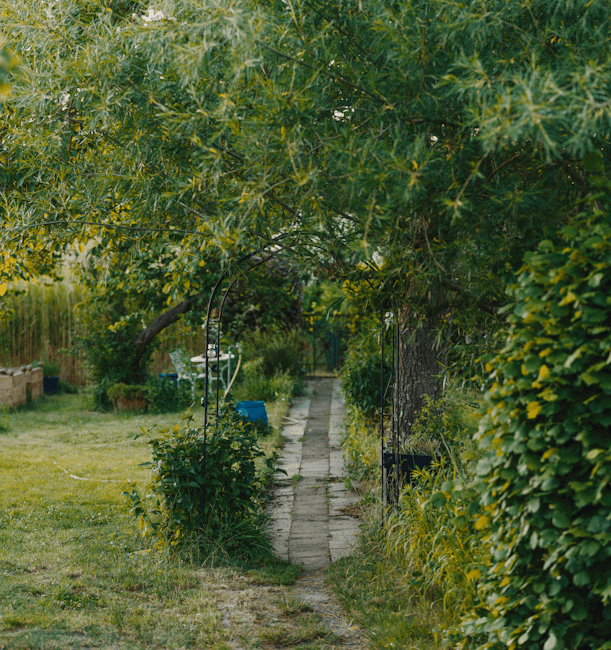
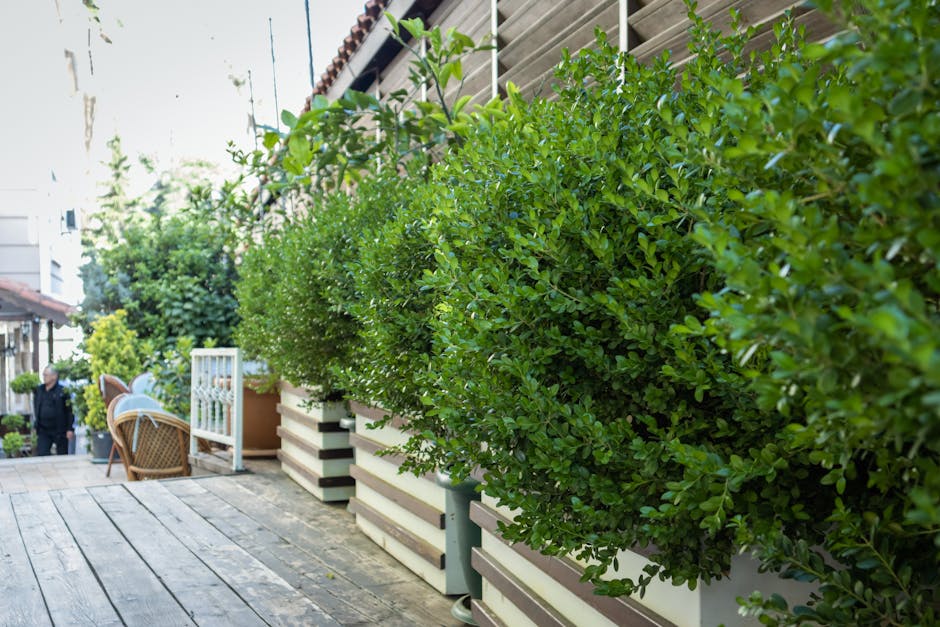
Elmstead Woods gardeners for narrow terraced garden care
Narrow terraced gardens can be brilliant little spaces, but they are rarely easy spaces. One minute you are trying to squeeze past a row of pots, the next you are fighting shade, poor access, awkward drainage, and a layout that seems to shrink every time you add a chair. That is exactly where Elmstead Woods gardeners for narrow terraced garden care come into their own. They understand how to make a slim outdoor area feel calmer, greener, and more usable without turning it into a cluttered afterthought.
If your garden is long, tight, overlooked, or a bit of a patchwork of old paving and tired borders, you are not alone. Many terraced homes in and around Elmstead Woods face the same issues. The good news? With the right maintenance routine, careful planting, and a sensible eye for proportion, even a modest space can feel like a proper garden rather than a corridor with plants. Below, you will find a practical guide to how specialist care works, what to expect, and how to avoid the common mistakes that make these gardens harder work than they need to be.
Table of Contents
- Why narrow terraced garden care matters in Elmstead Woods
- How this kind of garden care works
- Key benefits and practical advantages
- Who this is for and when it makes sense
- Step-by-step guidance
- Expert tips for better results
- Common mistakes to avoid
- Tools, resources and recommendations
- Law, compliance, standards, or best practice
- Options, methods, or comparison table
- Case study or real-world example
- Practical checklist
- Conclusion
- Frequently asked questions
Why Elmstead Woods gardeners for narrow terraced garden care Matters
Narrow terraced gardens ask for a different mindset. You are not really working with a big open plot where you can spread out, experiment, and fix mistakes later. You are managing sightlines, access, proportion, and maintenance all at once. If one feature is too bulky or one shrub gets out of hand, the whole garden can feel cramped very quickly. To be fair, that can happen even in a space that looked generous on moving day.
Elmstead Woods gardeners who regularly handle compact terrace plots know that small-space care is partly about restraint. It is not just mowing or pruning. It is about selecting plants that behave well, arranging hard landscaping so the space still flows, and keeping on top of maintenance before the garden turns into a chore. In a narrow plot, mess shows faster. A dropped branch, a few overgrown stems, or a patch of moss on paving can visually close the space in.
There is also a practical side. Terraced gardens often sit behind homes with limited side access, tricky steps, narrow gates, and neighbours close by. That means the approach has to be tidy, efficient, and considerate. You want work carried out without dragging soil through the house, without blocking access for too long, and without accidentally damaging boundary fencing or shared features. Sounds obvious. Yet that is exactly where good gardeners prove their value.
In a local setting like Elmstead Woods, many homeowners want a garden that feels calm after work, usable on weekends, and attractive from inside the house too. That interior view matters more than people sometimes admit. When the weather is grey and the kettle is on, what you see through the back door becomes part of daily life.
How Elmstead Woods gardeners for narrow terraced garden care Works
Good narrow-garden care starts with observation. A proper gardener will usually walk the space first, noting where the light falls, where water pools, which plants are struggling, and how people actually move through the garden. That last bit matters a lot. If the path to the shed, bin store, or seating area feels awkward, the garden will get used less often. And then it gets neglected. A familiar story, honestly.
The process normally follows a few practical stages:
- Assess the layout - measure the usable width, check entrances, and identify anything that makes the space feel tighter than it is.
- Reduce visual clutter - cut back overgrown growth, remove dead material, and clear anything that crowds the eye-line.
- Shape the planting - choose plants with a compact habit, upright structure, or layered texture instead of bulky spreads.
- Improve circulation - make sure paths, steps, and turning points are easy to use, even if the garden is very slim.
- Set a maintenance rhythm - agree how often pruning, lawn work, edging, and seasonal tidying should happen.
That rhythm is the real secret. A narrow terraced garden can look wonderful after a tidy-up and then go downhill fast if nothing is maintained for six or eight weeks. In smaller spaces, light regular work usually beats occasional heavy work. It is easier on the plants, easier on the layout, and easier on your weekends.
Many people also underestimate the importance of container placement. Pots are brilliant in terraces because they add height and movement, but they can also block routes and make the garden feel boxed in if they are overscaled. The trick is not simply to add more plants. It is to add the right plants, in the right places, with enough breathing room around them.
Key Benefits and Practical Advantages
When a narrow terraced garden is cared for properly, the difference is immediate. It does not just look tidier; it feels larger, lighter, and more usable. That is a real advantage in dense residential streets where outdoor space is at a premium.
Here are the main benefits homeowners usually notice:
- Better sense of space - clear edges, cleaner lines, and controlled planting make the garden appear wider.
- Less maintenance stress - routine care prevents the build-up that makes compact gardens exhausting.
- Improved year-round appeal - evergreen structure, seasonal interest, and clean surfaces stop the space from looking bare in winter.
- Safer movement - steps, paths, and edges are easier to navigate when they are kept clear and even.
- More usable outdoor living - a small garden can still support dining, reading, play, or simple quiet time.
- Better plant health - crowded stems, weak airflow, and unchecked shade can be managed before they become bigger problems.
Another advantage is resale presentation. Buyers tend to notice whether a small garden has been designed and maintained with care. They may not know why it feels better, but they feel it. A neat terrace garden suggests the house has been looked after. That counts.
There is a sensory upside too. A tidy, planted narrow garden sounds softer in the wind, smells fresher after rain, and catches the afternoon light better when the layout is open. Small details, yes, but they add up.
Who This Is For and When It Makes Sense
This kind of garden care is a strong fit if your outdoor space is any of the following:
- a long, narrow back garden behind a terraced house
- a split-level terrace with steps or raised beds
- a compact courtyard or slim paved garden with a few borders
- a shaded urban garden that needs careful plant selection
- a family garden that has become cluttered and awkward to use
- a rental property that needs regular upkeep and presentable kerb appeal
It also makes sense if you have tried maintaining the garden yourself but keep running into the same problems: overgrown edges, not enough storage, poor drainage, patchy lawn, or planting that was lovely for one season and then got too much for the space. Let's face it, some plants are simply too enthusiastic for a narrow terrace. They start out charming and then behave like they pay rent.
People often seek help when the garden is not broken, exactly, but it is becoming tiring. You know the feeling. A quick tidy becomes a half-day job. One hedge trim turns into a disposal mission. If that sounds familiar, professional help can reset the space and give you a realistic routine to keep it that way.
It is also worth considering specialist care if your garden has awkward access. Narrow side passages, shared entrances, or limited storage can make DIY jobs more frustrating than they first appear. A good gardener works with the site rather than fighting it.
Step-by-Step Guidance
If you are approaching a narrow terraced garden for the first time, the safest route is to think in stages rather than trying to overhaul everything at once. One tidy weekend can do a lot, but a thoughtful plan does more.
1. Start with a clear view
First, remove anything dead, broken, or obviously misplaced. This includes old pots, collapsed canes, rotting planters, loose edging, and anything that interrupts movement. A clear first pass helps reveal the actual structure of the garden, which is often hidden under layers of "I'll sort that later."
2. Decide what should stay
In a narrow garden, not everything deserves space. Keep the elements that support the way you want to use the garden. That might be a small dining area, a bench, a climbing frame for vertical planting, or a simple strip of lawn. If a feature is taking up width without earning its keep, rethink it.
3. Build height instead of bulk
Vertical interest is often the smartest move. Climbing plants, wall-trained shrubs, trellis panels, and slim specimen plants add richness without swallowing the floor area. That is especially useful where boundaries feel close and you want privacy without making the garden boxy.
4. Simplify the planting palette
Too many plant types can make a narrow garden feel busy. A handful of well-chosen varieties, repeated with confidence, often looks better than a scattered collection. Repetition gives order. Order gives calm.
5. Keep the route through the space obvious
People should be able to move from the house to the far end without dodging obstacles. Even if the space is only a few feet wide, a clear path changes how the whole garden feels. You notice this most on damp mornings when every extra step feels clumsy.
6. Set a maintenance calendar
Mark pruning, lawn care, weed control, and seasonal planting on a simple schedule. In a small garden, little and often is usually better than heroic one-off work. If you forget for too long, the whole thing starts asking for a long Saturday. Not ideal.
For many households, the best plan is a monthly tidy with seasonal pruning and a more detailed review each spring and autumn. That gives structure without making the garden feel like a second job.
Expert Tips for Better Results
There are a few things experienced gardeners tend to do almost instinctively in narrow terrace spaces. They are not flashy tricks. Just the sort of practical habits that make the difference between "nice enough" and "actually, this works".
Use repetition deliberately. Repeated plant forms, repeated pot shapes, or repeated materials help a narrow space feel calmer. A terrace garden with six unrelated styles can quickly feel chopped up.
Choose foliage as carefully as flowers. Flowers come and go, but foliage gives structure all year. In a compact plot, leaf shape and texture often do more heavy lifting than seasonal colour alone.
Don't ignore shade. Many terraced gardens have tall boundary walls or neighbouring buildings that create partial shade. That is not a problem, but it does affect plant choice and drainage. Shade-loving planting can be beautiful, but only if it suits the conditions.
Lift the eye line. A narrow garden can feel wider when attention is drawn upwards. Use wall planters, climbers, slender small trees, or trellis features to lead the eye rather than pinning everything to ground level.
Keep hard surfaces honest. If paving is cracked, slippery, or uneven, tidy planting alone will not save the space. Sometimes the smartest improvement is cleaning, re-leveling, or replacing tired surfaces.
Be realistic about lawn. A tiny strip of lawn can work, but a thin neglected rectangle often struggles. In some terraced gardens, a mix of paving, planting, and a durable planted edge gives a better result than forcing a lawn to behave.
A small moment from real life: you can tell a lot about a narrow garden by the first walk down it after a trim. If the air feels easier, the light seems to travel further, and the end of the garden stops looking "far away", the job has probably been done properly. That is the sort of result worth aiming for.
Common Mistakes to Avoid
Narrow terraced gardens are wonderfully easy to overcomplicate. A few common missteps keep cropping up.
- Using oversized plants - big shrubs may look fine at the garden centre but can overwhelm a slim plot within a season or two.
- Blocking access with containers - pots should frame the space, not create a slalom course.
- Ignoring pruning timing - trimming at the wrong time can reduce flowering or encourage awkward growth.
- Mixing too many materials - too many paving colours, edging styles, and decorative features can make the garden feel busy and smaller.
- Letting shaded areas drift into dampness - moss, slippery paving, and poor airflow are common in close terraced spaces.
- Focusing only on appearance - a garden that photographs well but is awkward to walk through will not stay enjoyable for long.
One of the biggest mistakes, truth be told, is trying to "fill" every inch. A narrow garden needs some breathing space. Negative space is not wasted space. It is what gives the planting room to work.
Another frequent issue is putting all the attention at the front of the garden and forgetting the back. In a long terrace, the far end is often the darkest, driest, or most neglected part. If that area is ignored, the whole space feels unfinished.
Tools, Resources and Recommendations
For routine narrow-garden care, you do not need a shed full of specialist kit. You do need sensible tools that make precise work easier and safer.
| Tool or resource | Why it helps in a narrow terraced garden | Practical note |
|---|---|---|
| Hand secateurs | Useful for precise pruning around tight planting | Better than large cutters where access is limited |
| Long-handled shears | Help shape hedges and taller growth without crushing borders | Choose a pair you can use comfortably for longer sessions |
| Lightweight wheelbarrow or trug | Moves clippings and debris through narrow passages more easily | Important where access is tight |
| Pressure sprayer or watering can | Supports controlled watering in containers and borders | Handy for patios and raised beds |
| Garden edging tools | Keep paths and borders crisp, which matters a lot in small spaces | Clean edges make the garden look instantly neater |
| Maintenance plan | Stops small jobs becoming big ones | A simple monthly list is often enough |
If you are considering broader improvements, it can help to look at related services in a joined-up way. For example, routine care often sits alongside garden maintenance, while more substantial tidying may involve garden clearance. If the space needs reshaping rather than just tidying, landscaping or landscape gardening may be the better route.
If your garden relies heavily on boundary planting, hedges, or vertical screening, then a disciplined approach to trimming can make a huge difference. A well-kept perimeter keeps the plot feeling intentional, not overrun.
Law, Compliance, Standards, or Best Practice
For most domestic garden care in Elmstead Woods, the key compliance issues are less about paperwork and more about safe, neighbourly working practice. That said, there are a few things worth keeping in mind.
Waste handling matters. Green waste, prunings, and cleared materials should be dealt with responsibly. If you are hiring help, it is sensible to ask how waste is removed and whether recycling or composting options are used where appropriate. A tidy garden should not leave a messy trail behind it.
Boundaries and access should be respected. In terraced settings, fences, walls, shared paths, and side returns may sit close to neighbours' property. Good practice means checking what belongs where before work starts, keeping noise and disruption reasonable, and avoiding encroachment.
Health and safety should be visible, not hidden. If ladders, sharp tools, or cutting equipment are being used, the work should be planned carefully. You can expect a professional approach to include sensible risk awareness, safe handling, and attention to trip hazards, especially on uneven paving or wet surfaces. If you want to understand that side of things in more detail, the site's health and safety policy and insurance and safety information are useful reference points.
Privacy and considerate timing matter in close housing. In tightly spaced terraced streets, people notice sound, access, and debris more than they might in a detached setting. Best practice means working efficiently, keeping pathways clear, and leaving the area as undisturbed as possible.
If you are comparing quotes, look beyond the headline figure. Ask what is included, how the site will be left, and whether seasonal follow-up is recommended. A good price is useful. A good outcome is better.
Options, Methods, or Comparison Table
There is no single best way to care for a narrow terraced garden. The right method depends on how much time you have, how mature the planting is, and whether the garden needs routine upkeep or a broader redesign.
| Approach | Best for | Strengths | Limitations |
|---|---|---|---|
| DIY upkeep | Small tidy jobs, light pruning, regular watering | Low cost, flexible, immediate control | Easy to fall behind; may miss deeper layout issues |
| Routine professional maintenance | Homes that need reliable seasonal and monthly care | Consistent standards, less stress, better plant health | Ongoing cost, though often manageable |
| One-off clearance | Overgrown or neglected gardens | Fast reset, clears the backlog | Needs follow-up care or the problem returns |
| Reshaping and landscaping | Spaces that feel badly arranged or outdated | Improves flow, usability, and visual balance | More planning involved, more disruptive at the start |
If the garden is mostly healthy but messy, maintenance is usually the first sensible step. If it is overgrown to the point where access and structure are unclear, clearance may come first. If it feels cramped because the layout itself is wrong, a redesign is often worth the effort. The wrong choice is trying to do all three badly at once. That tends to get expensive and annoying, and no one needs more of that.
Case Study or Real-World Example
A typical narrow terrace in a leafy London setting might have a slim rear lawn, tired fence lines, a couple of self-seeded shrubs, and a patio that has slowly disappeared under pots. On paper, not dramatic. In practice, it can feel cluttered, dark, and awkward to use.
In one common scenario, the first job is simply to create air again: clear out broken containers, reduce the height of congested growth, define the edge of the lawn or paving, and re-establish a clear path from the house to the far end. After that, the space usually benefits from a handful of changes rather than a full rebuild. A compact evergreen for year-round structure, a climber for the back wall, some low planting to soften borders, and a tidier surface finish can transform the feel of the garden.
What changes most is not just appearance. It is confidence. The garden becomes something people use again. The back door gets opened more often. A chair comes out. A small table stays out for the afternoon instead of being shuffled back inside because there is nowhere comfortable to sit. That is often the real measure of success.
A bit of honest seasonal care helps keep that result in place. Spring growth needs checking. Summer watering needs consistency. Autumn is the time to remove tired growth and keep drainage clear. Winter, even in a mild London climate, is for structure and restraint. Nothing fancy. Just steady attention.
Practical Checklist
Use this checklist if you are planning care for a narrow terraced garden and want to stay focused.
- Clear access routes before starting any planting or cutting work.
- Remove dead, weak, or overcrowded material first.
- Check whether the garden feels cramped because of layout, planting, or both.
- Keep a narrow space visually open with repetition and simple lines.
- Use vertical features for height rather than bulky ground-level clutter.
- Match plants to shade, wind exposure, and drainage conditions.
- Keep containers to a manageable number and size.
- Set a realistic maintenance timetable you can actually follow.
- Inspect paving, edges, fences, and steps for wear or hazards.
- Plan waste removal so the garden is left clean, not half-finished.
- Review the far end of the garden, not just the area closest to the house.
- After each tidy-up, step back and check whether the space feels easier to move through.
Expert summary: In a narrow terraced garden, the best results usually come from restraint, repetition, and regular upkeep. Keep the circulation clear, use height wisely, and avoid overfilling the space. Small gardens reward discipline. They really do.
If you want a good outcome without turning weekends into a battle with the border trimmer, it helps to work with gardeners who understand compact urban plots and the local pace of maintenance. You can explore broader service options through the services overview, or read more about the company's background on the about us page if you are comparing providers.
Get a free quote today and see how much you can save.
Conclusion
Elmstead Woods gardeners for narrow terraced garden care are most valuable when they bring a calm, practical eye to a space that has limited width, close neighbours, and not much room for error. The best results are rarely about dramatic changes. They come from a series of smart, steady decisions: clear the clutter, respect the flow, keep the planting disciplined, and maintain the garden before it becomes unruly.
If your terrace garden has been feeling smaller than it should, or if it has quietly become one of those jobs you keep postponing, you are not dealing with a failing space. You are dealing with a space that needs a better system. And once that system is in place, the garden usually gives back far more than people expect. That is the lovely bit, really.
Frequently Asked Questions
What makes narrow terraced garden care different from regular garden maintenance?
Narrow terraced garden care is more about proportion, access, and visual flow. Every plant, path, and pot affects how roomy the space feels. Regular maintenance still matters, but in a slim garden the layout itself is just as important as the upkeep.
How often should a narrow terraced garden be maintained?
Most narrow gardens benefit from light, regular care rather than occasional heavy work. A monthly tidy, seasonal pruning, and more frequent watering in dry spells is a sensible baseline. If the planting is fast-growing, you may need to check it more often.
Can a small terrace garden still have privacy?
Yes, absolutely. Privacy can be created with trellis, climbers, slender screening plants, or carefully placed vertical features. The key is to add height without making the space feel enclosed.
What plants work best in a narrow terraced garden?
Compact shrubs, upright grasses, climbers, shade-tolerant perennials, and well-behaved evergreens often work well. The best choice depends on light levels, soil condition, and how much space you want to leave for movement.
Is lawn a good idea in a narrow garden?
Sometimes, but not always. A small lawn can soften a terrace garden, yet a thin strip of grass can become awkward if it gets too shaded or difficult to access. In some spaces, paving and planting give a cleaner, easier result.
How do you make a narrow garden look wider?
Keep lines simple, reduce clutter, repeat materials and plant types, and avoid oversized features. Clear paths and restrained planting help the eye move through the space instead of stopping at obstacles.
Do I need professional help for a small garden?
Not always, but it can be worthwhile if the garden is overgrown, awkwardly laid out, or difficult to maintain. Professional help is especially useful when access is tight or when the garden needs a reset before you can manage it yourself.
What is the biggest mistake people make with terrace gardens?
Overfilling them. It is tempting to pack in lots of pots, shrubs, ornaments, and furniture, but that usually makes the garden feel smaller and harder to care for. Leave space. The garden needs room to breathe.
Can a narrow garden be low maintenance?
Yes, if it is designed carefully. Low-maintenance does not mean no maintenance, though. It usually means choosing durable surfaces, manageable plants, and a layout that does not create extra work.
What should I ask before hiring someone for this kind of work?
Ask how they handle access, waste removal, pruning timing, and ongoing maintenance. It is also sensible to ask whether they have experience with compact urban gardens, because narrow spaces often need more care than they first appear to.
How do I know whether my garden needs clearance or maintenance?
If the garden still has a clear structure and mainly needs tidying, maintenance is probably enough. If access is blocked, planting is tangled, or the layout cannot be seen properly, a clearance may be the better first step.
Should I choose plants for flowers or foliage?
Ideally both, but foliage tends to matter more in a narrow terrace because it provides structure for longer. Flowers add colour and interest, while good foliage keeps the garden looking ordered between blooming periods.
For readers who want to compare broader options, the site also has helpful pages on lawn mowing, hedge trimming, and recycling and sustainability. If you are just starting out, that can make planning the next step a lot easier.