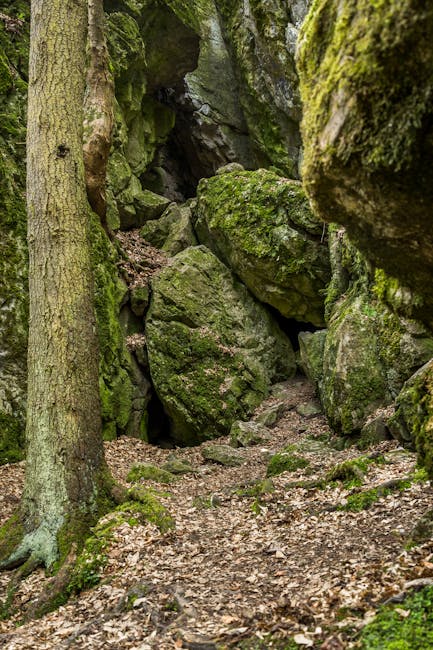
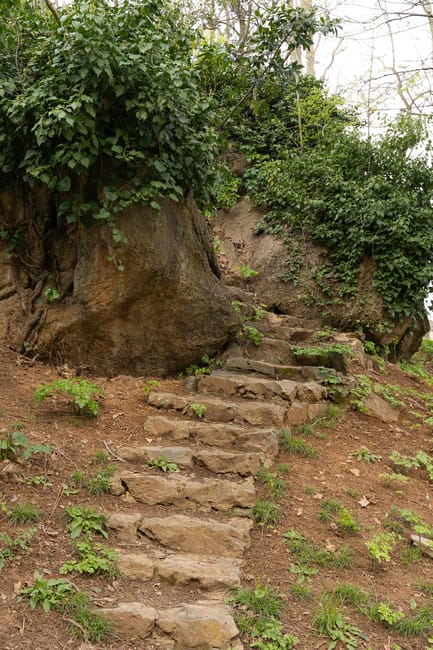
Gardeners near Chislehurst Caves for steep garden access
If you live near Chislehurst Caves and your garden seems to lean, drop, or tumble away from the house rather than sit neatly on one level, you already know the job is different. Steep access changes everything. Moving tools is harder, mowing is trickier, and even a simple border tidy can feel like a small expedition. That is exactly why choosing gardeners near Chislehurst Caves for steep garden access matters: you need people who understand awkward ground, safe movement, and the practical realities of working on sloping plots.
This guide walks through what steep-garden work involves, how professional gardeners approach it, what to look for in a local team, and where the hidden risks usually show up. Whether you need regular maintenance, a one-off clearance, or help turning a hard-to-reach back garden into something manageable, you will find useful answers here. Truth be told, steep gardens can be beautiful. They just need the right hands.
Table of Contents
- Why Gardeners near Chislehurst Caves for steep garden access Matters
- How Gardeners near Chislehurst Caves for steep garden access Works
- Key Benefits and Practical Advantages
- Who This Is For and When It Makes Sense
- Step-by-Step Guidance
- Expert Tips for Better Results
- Common Mistakes to Avoid
- Tools, Resources and Recommendations
- Law, Compliance, Standards, or Best Practice
- Options, Methods, or Comparison Table
- Case Study or Real-World Example
- Practical Checklist
- Conclusion
- Frequently Asked Questions
Why Gardeners near Chislehurst Caves for steep garden access Matters
Steep garden access is not just a convenience issue. It affects how work is planned, how long it takes, what equipment can be used, and how safely the job can be carried out. In areas around Chislehurst Caves, you often find gardens with split levels, raised lawns, narrow side returns, older retaining walls, and paths that become slippery after a bit of rain. That combination can turn routine garden maintenance into a logistical puzzle.
The right gardener does more than "do the gardening". They assess access, protect surfaces, think about load movement, and choose methods that make sense for the terrain. That might mean carrying equipment in smaller loads, using lighter machinery, or working in a different order so they are not repeatedly climbing the same slope. Small details. Big difference.
For homeowners, this matters because steep access can affect:
- the safety of the work
- the quality of the finish
- the amount of disruption to your home
- the risk of damaging lawns, steps, or edging
- the long-term practicality of the garden layout
If your garden already feels like a challenge before anyone has even picked up a spade, you are not alone. A lot of local properties need a calmer, more thoughtful approach than a standard flat-garden visit.
For broader help with ongoing outdoor care, you may also find our gardening services page useful, especially if you are comparing one-off work with regular maintenance.
How Gardeners near Chislehurst Caves for steep garden access Works
Good steep-garden work starts with a proper look at the access route. Not just the garden itself, but the route in and out, the slope angle, the surface condition, and where equipment will be stored while the job is underway. To be fair, this is often the part people underestimate. The planting might be simple. The getting-there is the tricky bit.
A professional approach usually follows a few practical stages:
- Initial assessment - the gardener checks entry points, steps, gradients, width, drainage, and any fragile areas.
- Task planning - they decide what can be done safely by hand and what, if anything, needs powered equipment.
- Access setup - tools, bags, waste, and materials are moved in a way that reduces trips and avoids pressure on the slope.
- Work execution - pruning, cutting, edging, clearing, or planting is carried out in a sensible sequence.
- Waste removal and tidy-up - green waste is collected carefully so it does not become a slip risk or damage access points.
On steeper plots, the method often matters more than the visible task. For example, cutting a banked lawn from the bottom up may leave the operator fighting gravity and dragging clippings downhill. Another time, the better route is to work in sections from the top, then clear downwards. Simple idea. Very effective.
Local gardeners who regularly handle sloped gardens tend to think in terms of flow: where they enter, where they stage cuttings, how they avoid overloading one path, and how to leave the site neat without making the access route muddy or worn. That sort of judgement is worth paying attention to.
Key Benefits and Practical Advantages
There are several clear advantages to hiring gardeners who understand steep access rather than assuming any gardener can handle it. The first is efficiency. The second is safety. The third, and perhaps the most noticeable when you live with the result, is less wear and tear on the garden itself.
- Safer working methods - fewer awkward carries, better footing, and smarter positioning on the slope.
- Better lawn and border results - steep areas are less likely to be scalped, rutted, or unevenly cut.
- Less damage to access routes - steps, paving, gravel, and retaining edges are treated with more care.
- More realistic time planning - steep access is factored into the job rather than becoming an unpleasant surprise.
- Improved planting choices - gardeners can suggest plants and layouts that hold up better on a slope.
There is also a quiet financial benefit. A steep garden left unmanaged can become harder and more expensive to recover later, especially if brambles, ivy, or self-seeded growth spread over time. Small maintenance visits often beat large rescue jobs. Not always, but often enough that it is worth saying plainly.
Another practical gain is consistency. A gardener who understands your access can work the same way each visit, which usually leads to steadier results and fewer frustrations for you.
If your needs include larger tidy-ups, overgrown sections, or clearing before redesign work, our garden clearance page explains how more substantial jobs are typically handled.
Who This Is For and When It Makes Sense
This kind of service is for anyone whose garden is difficult to reach, awkward to carry through, or physically demanding to maintain. That might be a hillside plot, a split-level garden, or even a fairly small garden with a narrow side access and several steps. The size of the garden matters less than the difficulty of moving around it.
You may especially benefit if you are:
- a homeowner with a sloped rear garden
- a landlord trying to keep a difficult property manageable
- a retired homeowner who wants less physical strain
- a busy family that needs regular upkeep without the hassle
- someone planning landscaping work on uneven ground
It also makes sense if you have plants or features that need specialist care on slopes. Steep beds can dry out faster in some spots and become waterlogged in others, depending on soil, shade, and drainage. That means the garden may need a more tailored routine than a standard flat plot.
Here is the basic rule of thumb: if you find yourself putting off garden jobs because access makes them feel too hard, it is probably time to bring in help. There is no medal for struggling on a slippery bank with a hedge trimmer.
Step-by-Step Guidance
If you are booking gardeners near Chislehurst Caves for steep garden access, a clear process helps everyone. It keeps expectations sensible and reduces the chance of surprises on the day. A good local gardener will usually welcome that clarity.
1. Describe the access honestly
Tell them about steps, narrow gates, side passages, split levels, steep paths, and any awkward turns. If there is a handrail, gravel, wet clay, or a section that gets slippery after rain, say so. Don't minimise it. The more realistic the description, the better the planning.
2. Share what needs doing first
Is it a general tidy-up, lawn care, hedge cutting, pruning, weeding, or a larger clearance? A skilled gardener will often ask how the work should be prioritised. That is a good sign, not a nuisance.
3. Ask how they handle steep access
Listen for practical answers. You want to hear how they move tools, whether they work in sections, how they manage waste, and what they do to protect paths or steps. If the answer is vague, that is worth noting.
4. Agree the scope and timing
Because steep access slows some jobs down, it helps to agree on the likely duration and whether the work will be spread over more than one visit. Rushing a steep garden is never a clever move, not really.
5. Prepare the route
Before the visit, clear loose pots, hoses, toys, or anything that could catch a foot or block a passage. If you have a side gate, make sure it opens freely. Tiny prep, big difference.
6. Review the result and plan the next visit
Once the work is done, check access points, steps, and any delicate planting. If the gardener has found drainage issues, erosion, or over-shaded sections, make a note of them. These gardens often improve over time when the work is planned, not improvised.
A sensible next step is to compare your garden's access needs with the type of ongoing care you want. Our garden maintenance service page can help you think through the regular-work side of things.
Expert Tips for Better Results
Steep gardens reward careful decisions. They rarely forgive rushed ones. A few smart choices can make the whole place easier to live with, and much easier to maintain.
- Choose plants that suit the slope - groundcover plants, tough perennials, and mixed planting often hold soil better than bare or heavily mulched patches.
- Prioritise drainage - water run-off can gather speed on a slope, so puddling at the bottom or erosion at the top should not be ignored.
- Keep access lines clear - if the path is easier to walk, the work gets better and safer. Simple as that.
- Break maintenance into zones - one section each visit can be more manageable than trying to do everything at once.
- Use the right tools for the terrain - hand tools may be slower, but on some slopes they are safer and produce a cleaner finish.
- Protect retaining walls and edging - loose movement near walls can create long-term issues that are far more annoying than they look at first.
One small but important point: if a gardener suggests a change to how the garden is maintained, it is usually because they have seen the access pattern create repeated problems. For example, moving the compost bin a few feet or changing the path of the wheelbarrow can reduce wear on a narrow strip of lawn. Not glamorous, but useful.
And yes, sometimes the best improvement is not a big redesign. It is just making the garden easier to get around without feeling like you need hiking boots.
Common Mistakes to Avoid
A lot of headaches in steep-garden work come from simple mistakes. None of them are dramatic on their own, but together they can make the job frustrating, costly, or even unsafe.
- Understating the access difficulty - if the gardener arrives expecting a flat walk-through and finds a steep bank, everyone loses time.
- Using the wrong equipment - heavy machines can damage slopes or become awkward to control.
- Ignoring drainage - water running down paths or collecting at the bottom of a slope is a long-term problem, not a one-off nuisance.
- Leaving clutter in the way - hoses, plant pots, furniture, and loose cuttings can make a steep route much riskier.
- Trying to do major work in bad conditions - after heavy rain, steep surfaces can become muddy or slippery very quickly.
- Assuming all plants will cope - some species dry out fast on exposed slopes, while others struggle with movement and erosion.
There is also a common planning mistake: treating the first visit as if it is the final answer. In reality, a difficult garden often improves best when the first session is about stabilising access, clearing the worst growth, and identifying what should happen next. The second and third visits then become much easier. A bit like clearing a blocked hallway before you start carrying boxes through it.
Tools, Resources and Recommendations
For steep garden access, the best tool is not always the biggest one. It is the one that is safest, most controllable, and suitable for the route in and out.
| Tool or approach | Best used for | Why it helps on steep access |
|---|---|---|
| Hand tools | Detail work, borders, light pruning | Lightweight, easier to control, lower slip risk |
| Lightweight cutting equipment | Regular lawn and hedge maintenance | Less strain on paths, steps, and the operator |
| Sectioned waste bags | Cuttings and green waste removal | Safer to carry than overloaded bags or bins |
| Stable footwear and grip | General access and movement | Better footing on damp or uneven ground |
| Temporary route clearing | Before work begins | Reduces trip hazards and makes movement easier |
For homeowners, the most useful "resource" is usually a clear note of what works and what does not. Which side gate is widest? Which path gets soggy first? Where do leaves gather after wind or rain? Keep those observations in your head or write them down. Little bits of local knowledge really do help.
If you are comparing broader outdoor help, our hedge cutting and lawn care pages may also be relevant depending on what your steep garden needs most.
Law, Compliance, Standards, or Best Practice
For private garden maintenance, there is usually no special legal process just because a garden is steep. But there are sensible duties of care, and reputable gardeners work with them in mind. They should take reasonable steps to reduce risk to themselves, your property, and anyone else on site.
In practice, that means:
- working safely on slopes and wet surfaces
- using equipment appropriately
- avoiding blocked access routes
- being careful around walls, fences, and steps
- handling waste and sharp material responsibly
If access is very awkward, a professional may decide to postpone certain work until conditions are better. That is not laziness. It is good judgement. On a damp morning, even a modest incline can become unpredictable, especially where moss or clay is involved.
Where tree work, large-scale pruning, or work near boundaries is involved, it is sensible to discuss it carefully before anything starts. Local conditions and ownership matters can be awkward, and nobody wants a misunderstanding later. The same goes for any work near shared paths, retaining structures, or neighbouring land.
Best practice is simple: explain the site honestly, document what is agreed, and keep the plan realistic. That is enough in most cases, and it keeps the whole thing calm.
Options, Methods, or Comparison Table
There are a few ways to handle steep garden access, and the right option depends on the garden's shape, the amount of work needed, and how often you want it maintained.
| Approach | Best for | Pros | Watch-outs |
|---|---|---|---|
| One-off clearance | Overgrown or neglected steep gardens | Fast way to regain control | May need follow-up maintenance |
| Regular maintenance | Gardens that are already manageable | Keeps access easier and work lighter | Needs consistency |
| Phased improvement | Problem gardens with erosion or clutter | Reduces pressure and spreads cost | Takes longer to complete |
| Targeted planting support | Slopes that need stabilising and softening | Improves appearance and practicality | Needs good plant selection |
If you are not sure which route to choose, start with the simplest question: do you need the garden made easier to maintain, or do you need it reset from scratch? That one question usually points you in the right direction.
Case Study or Real-World Example
Imagine a rear garden not far from Chislehurst Caves with a narrow side access, a stepped descent, and a lawn that falls away from the house. The owner can keep up with the front garden, but the back has started to slip behind. A few shrubs are overgrown, the path has become a bit muddy after rain, and the lower level gets choked with clippings whenever someone tries to mow it in a hurry.
A sensible gardener would not just arrive and start cutting. They would likely begin by opening up the access route, checking the safest carrying line, and clearing the worst of the growth first. Then they might reduce the lawn in stages, tidy edges, and remove waste in smaller loads so the steps are not overloaded. If the soil at the lower level looked compacted or bare, they might suggest groundcover planting or a small redesign to make the slope less vulnerable.
That sort of job often feels transformed by the end of the first visit. Not perfect. But manageable. And that matters more than people realise. Once the garden stops fighting you every time you walk into it, you start using it again. You sit out there a bit longer, you notice the evening light, and the whole space becomes less of a burden.
For a homeowner, that can be the difference between a garden that gets avoided and one that quietly becomes part of daily life again.
Practical Checklist
Use this checklist before booking or during your first conversation with a gardener.
- Confirm the slope, steps, and access width
- Explain whether the ground is slippery, muddy, gravelled, or uneven
- List the main tasks: mowing, pruning, clearing, planting, or redesign help
- Ask how waste will be removed from the property
- Check whether the gardener is comfortable with steep or awkward access
- Make sure gates, paths, and steps are clear before the visit
- Discuss whether the work should be done in stages
- Ask for a realistic time estimate, not just a quick guess
- Note any drainage, erosion, or retaining wall concerns
- Agree what "finished" should look like after the visit
Expert summary: the best results on steep gardens usually come from simple planning, light-footed methods, and honest communication. If the access is difficult, say so early. If the garden is out of shape, start with the basics. That approach saves time and usually gives you a better finish.
Conclusion
Finding gardeners near Chislehurst Caves for steep garden access is really about choosing people who can work carefully with the shape of your land, not against it. A sloping garden can be a lovely feature, but only when it is maintained with thought and the right kind of experience. The best teams notice the route, the footing, the drainage, and the load they are asking the garden to carry. That is where the difference shows up.
If your garden has become one of those places you keep meaning to sort out, start with a clear description of the access and the work you need done. Even one good visit can make the next job easier, and the one after that easier still. Bit by bit, it adds up.
Get a free quote today and see how much you can save.
And if the slope has been bothering you for a while, don't be too hard on yourself. Steep gardens are genuinely harder work. With the right help, though, they become far less daunting - and a lot more enjoyable to live with.
Frequently Asked Questions
What should I tell a gardener about steep garden access before they visit?
Give them the honest version: steps, narrow side access, slope severity, slippery surfaces, muddy spots, and anything fragile like old paving or edging. The more accurate the description, the better they can plan the visit.
Can a regular gardener handle a steep garden?
Sometimes, yes - but not always comfortably. Steep access changes the job quite a lot, so it is worth asking directly whether they have experience with slopes, awkward carrying routes, and limited access.
Is steep garden access more expensive?
It can be, because the work may take longer and require more careful handling. That said, prices vary depending on the size of the garden, the condition of the site, and what exactly needs doing. A clear quote is the best way to judge it.
What jobs are hardest on a steep garden?
Lawn cutting, hedge work with awkward carry routes, waste removal, and heavy clearance jobs tend to be the most demanding. Repeated trips up and down slopes are where the extra effort really shows.
How do gardeners avoid damaging a sloped lawn or path?
They usually work in smaller sections, use lighter tools where possible, and avoid dragging heavy loads across soft ground. Good routing matters too. Sometimes the safest path is not the shortest one.
Should I wait until the garden is dry before booking?
Often, yes, especially if the slope gets slippery or muddy after rain. Damp conditions can make access more difficult and increase the chance of slips or surface damage. A professional can advise if the weather is too poor for certain tasks.
What plants work best on a steep garden?
It depends on sun, shade, and soil, but tough groundcovers, well-rooted perennials, and plants that help stabilise soil are often useful. The main goal is to reduce erosion and make maintenance simpler.
Can steep gardens be maintained regularly rather than in big clean-ups?
Absolutely, and for many homeowners that is the smartest option. Smaller, regular visits usually keep access easier and prevent the garden from becoming overwhelming.
Do I need to prepare anything before the gardener arrives?
Yes. Clear loose items from steps and pathways, make sure gates open properly, and move anything that could trip someone up. A few minutes of prep can save a lot of hassle.
What if my garden has retaining walls or old steps?
Tell the gardener in advance. Retaining walls and older steps need care, especially if they are already loose, damp, or showing signs of wear. It helps the gardener choose safer methods.
How do I know whether I need clearance, maintenance, or a redesign?
If the garden is just getting untidy, maintenance may be enough. If it is heavily overgrown, a clearance visit makes sense. If the slope, drainage, or layout keeps causing problems, a phased redesign may be the better long-term answer.
Can a steep garden still look good without being high-maintenance?
Yes. In fact, some of the best steep gardens are the simplest ones to maintain: sensible planting, clear access, and a layout that works with the slope. It does not have to be complicated to look lovely.