Tree works permits in Chislehurst and gardeners responsibilities
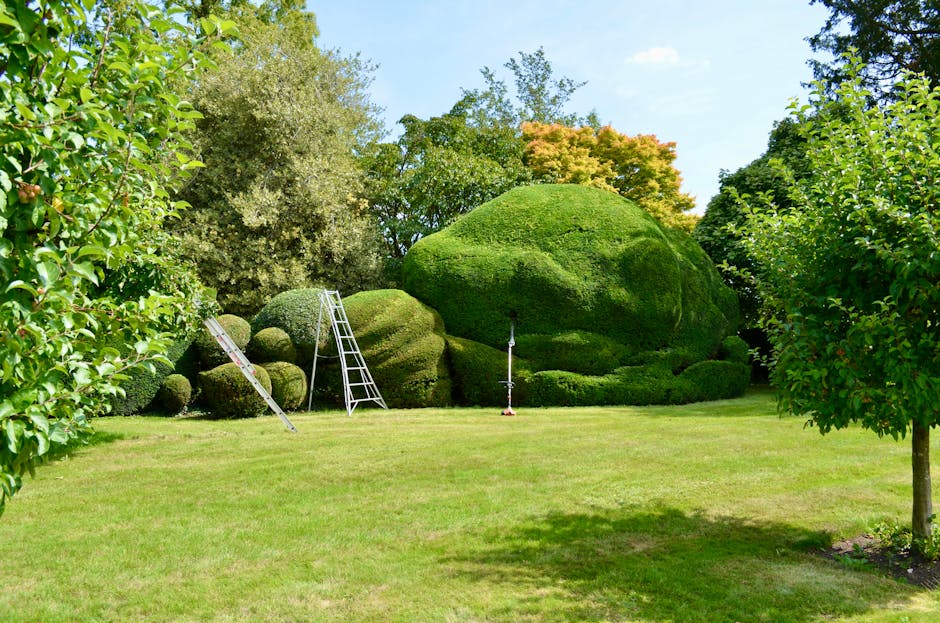
If you are planning tree work in a Chislehurst garden, the tricky bit is not always the pruning itself. It is knowing when permission is needed, who is responsible for checking it, and what a gardener should do before a saw ever starts up. Tree works permits in Chislehurst and gardeners responsibilities is one of those topics that sounds straightforward until a protected tree, a boundary issue, or a neighbour's complaint appears out of nowhere.
That is why this guide breaks the subject down in plain English. You will see how tree work permissions usually work in practice, what duties sit with the gardener or contractor, and how to avoid expensive mistakes. We will also cover best practice, simple checks, and the kind of real-world judgement that saves time, stress, and awkward conversations at the gate.
To be fair, a lot of confusion comes from one simple thing: people assume tree work is just another garden task. Sometimes it is. Sometimes it is very much not.
Why Tree works permits in Chislehurst and gardeners responsibilities Matters
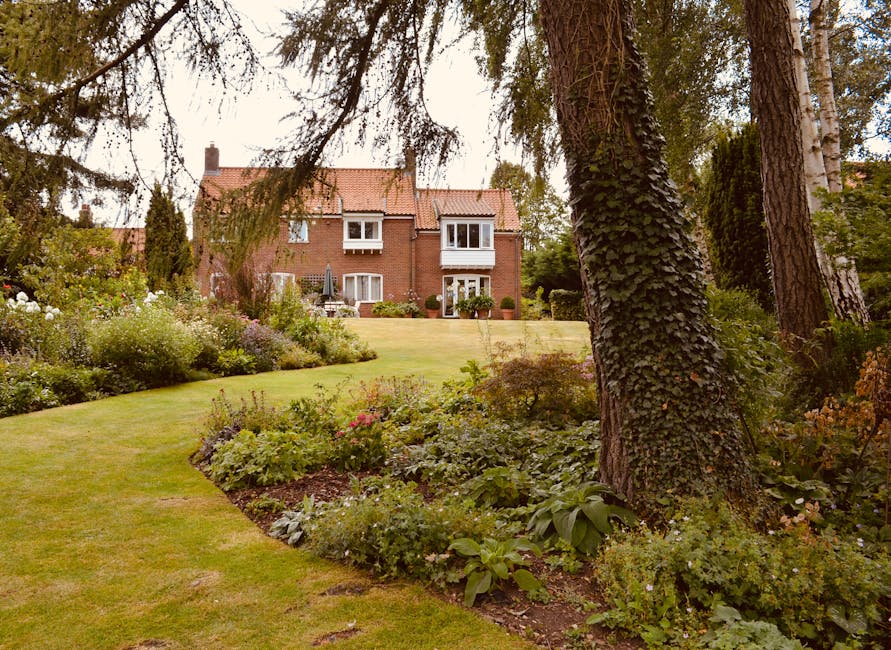
Tree work affects more than appearance. It can influence safety, light, wildlife habitat, neighbour relations, and the long-term health of the tree itself. In Chislehurst, where many gardens have mature trees and a fairly leafy feel, the odds of needing to think twice before cutting are higher than people often expect.
The permit side matters because some trees may be protected by local controls or sit within conditions attached to planning decisions. Even where no formal permit is needed, the person arranging the work still has a responsibility to make sensible checks. That includes confirming ownership, understanding whether the tree is protected, and making sure the work is appropriate for the tree's condition.
Gardeners responsibilities matter just as much. A gardener who trims a hedge one day and removes a large limb the next is not automatically doing the same type of job. The duty changes with the risk level. If the work is beyond routine maintenance, it may need a different skill set, safer equipment, stronger insurance, and more careful planning.
There is also the very human side of it. One overhanging branch can turn into a neighbour dispute in about five minutes flat. A sensible gardener knows that tree work is not only about what can be cut, but what should be checked first.
Practical takeaway: in tree work, the safest approach is to check permissions, clarify responsibility, and document decisions before the first cut. That little bit of admin can save a lot of bother later.
How Tree works permits in Chislehurst and gardeners responsibilities Works
At a basic level, the process is usually simple: identify the tree, decide what work is needed, check whether any formal approval may be required, then book the right person for the job. In reality, the "check" stage is where most people either do well or get caught out.
For gardeners, the working process usually goes something like this:
- Assess the job - Is it light pruning, hedge shaping, crown work, or removal?
- Identify ownership - Is the tree in your garden, shared land, or near a boundary?
- Check for protection - Could the tree be subject to local controls or another restriction?
- Review safety issues - Is the tree dead, leaning, storm-damaged, or close to structures or power lines?
- Decide the right action - Routine maintenance, specialist tree work, or a pause while permissions are checked.
That sounds neat on paper. On site, there are often little complications. A tree may look like it is "obviously yours" until the boundary line is checked. A simple prune may reveal decay, which changes the plan. A client may want "just a trim" when the actual task is more like structured tree reduction. Small difference, big consequence.
From a gardener's point of view, responsibility is not just hands-on work. It includes knowing when to stop and ask questions. A professional gardener should not guess. If the situation is unclear, the safe move is to pause, confirm the facts, and recommend the appropriate next step.
For homeowners, that means choosing a gardener who is comfortable with the boring bits too: checking status, explaining limits, and keeping the work within what is sensible and lawful. Not glamorous, but very useful.
Key Benefits and Practical Advantages
Getting tree work permissions and responsibilities right does more than keep everyone compliant. It makes the whole job smoother.
- Fewer delays because the correct checks happen early.
- Lower risk of accidental damage, complaints, or unsafe cutting.
- Better tree health because the work is planned around the tree's structure rather than rushed.
- Clear accountability between client, gardener, and any specialist contractor.
- Stronger neighbour relations when branches, boundaries, and access are handled properly.
- Better value because the right work is done once, instead of having to fix mistakes later.
There is also a quality-of-life benefit that is easy to overlook. A properly managed tree job tends to feel calm. No surprise snags. No "we did not realise that was protected". No last-minute scrambling for ladders and rope because somebody underestimated the size of the tree. Truth be told, calm jobs are usually the most professional ones.
For gardeners, being able to explain the limits of a job is a strength, not a weakness. Clients usually appreciate honesty when it comes with a clear solution.
Who This Is For and When It Makes Sense
This topic matters to several groups, and not just one type of customer.
Homeowners with mature trees
If you own a garden with established trees, especially older ones or trees near a road, driveway, or boundary, it makes sense to check before arranging any work. Mature trees are often the ones that look most manageable until you are standing beneath them and realising they are far bigger than they seemed from the kitchen window.
Gardeners carrying out routine maintenance
Gardeners often handle pruning, hedge work, and general upkeep. But once the task moves into heavier tree work, responsibility shifts. It becomes important to know when the job is no longer routine maintenance and may need a specialist approach.
Landscapers and garden designers
If you are reshaping a garden, tree permissions and responsibilities can affect the whole layout. One tree might anchor the design. Another might need work before a new patio, seating area, or planting scheme goes in. That is where services like landscape gardening and landscaping can sit naturally alongside tree planning.
People arranging property maintenance after storms or neglect
After bad weather, trees can split, lean, or drop heavy limbs. At that point, the question is not just permission. It is safety, speed, and making sure the person dealing with it knows what they are doing. In those moments, garden work and tree work overlap in a way that looks simple from indoors and much less simple once you are outside in the cold with wet leaves underfoot.
Step-by-Step Guidance
If you are trying to handle tree work sensibly in Chislehurst, follow a process like this. It is not fancy, just dependable.
1. Identify exactly what needs doing
Write down the task in plain terms. Is it crown thinning, shaping, deadwood removal, reducing overhang, stump removal, or full removal? The more precise you are, the easier it is to assess responsibility and risk.
2. Check whose tree it is
Ownership matters more than people think. A tree close to a boundary may belong entirely to one property, or it may be shared in practice if the boundary is not clear. If in doubt, look at title plans, previous records, or simply ask before taking action.
3. Consider whether the tree could be protected
Some trees may have restrictions attached to them. A gardener should not assume a tree is free to cut just because it is in a private garden. When work is not clearly routine, stop and check.
4. Decide whether the work is routine gardening or specialist tree work
This is one of the biggest judgement calls. Light pruning or hedge care may sit comfortably within normal garden maintenance. Large limbs, height-related work, or structural pruning usually push the job into specialist territory. If the tree is tall enough that balance, harnessing, or rigging becomes an issue, the job has changed shape.
5. Make the safety plan
Think about access, falling debris, nearby fences, glass, sheds, neighbours, pets, and weather. Wet ground, overcast skies, and a gusty afternoon can turn an ordinary job into a messy one very quickly.
6. Confirm insurance and competence
Gardeners should know what work they are insured to carry out. If the task is beyond their coverage or practical training, they should refer it on or work with a specialist. This is not fussiness. It is basic responsibility.
7. Keep a simple record
Even a short note helps: what was checked, what was agreed, and why the chosen approach was sensible. That record can be very handy if questions come up later.
Expert Tips for Better Results
Here is the part that saves people time and headache.
First, do not let a client's idea of "a quick tidy" blur the real job. A tree can look small from the patio and completely different from a ladder. Take five minutes to inspect from several angles. You will notice a lot more than you expect.
Second, understand the difference between neatness and health. A tree that looks perfectly shaped is not always a tree that has been cut well. Over-pruning can leave weak regrowth, expose the tree to stress, and create more work later.
Third, be careful with boundary work. If one side of the tree is in one garden and the overhang reaches another, that does not mean either side should rush in with shears. A polite conversation usually beats a risky assumption.
Fourth, match tools to the job. Light pruning tools are fine for routine work. Heavy or awkward cuts need proper equipment and, often, more than one person on site. Trying to "make do" is where avoidable accidents happen.
Fifth, think about waste handling early. Tree arisings, branches, and brash can pile up fast. If you are also doing wider garden work, pairing the job with garden clearance or garden maintenance can keep the whole space tidy and reduce repeat visits.
A small real-world observation: the jobs that go best are usually the ones where the gardener says, "Let me just check that first." It sounds unexciting. It is also exactly what you want to hear.
Common Mistakes to Avoid
- Assuming all tree work is routine - it is not.
- Skipping permission checks because the tree is on private land.
- Confusing hedge trimming with tree surgery - similar tools, very different risk profile.
- Ignoring boundary issues until a neighbour complains.
- Letting aesthetics lead the decision instead of tree health and safety.
- Using the wrong contractor for large or high-risk work.
- Not confirming disposal plans for branches, trunks, and cuttings.
- Failing to note what was checked before work began.
One of the sneakiest mistakes is overconfidence. A gardener who is very good at beds, borders, and hedge shaping may still be the wrong person for a complex tree job. That is not criticism. It is just the difference between skill sets.
Another common issue is when people wait until the tree is obviously in trouble. By then, the work is more urgent, more awkward, and sometimes more expensive.
Tools, Resources and Recommendations
You do not need a shed full of specialist kit to handle the planning side well. What you do need is a reliable process and the right supporting tools for the job.
- Simple site photos to document the tree, boundary, and surrounding obstacles.
- A measuring eye and, where needed, basic measuring tools to judge height, spread, and clearance.
- Personal protective equipment appropriate to the task, especially gloves, eye protection, and sturdy footwear.
- Clear job notes that record the agreed scope of work.
- Waste sacks, tarps, or a loading plan so debris does not take over the garden.
If the tree work is part of a broader garden refresh, it can make sense to look at the wider site plan too. Services like tree lopping and removal, hedge trimming, and even lawn mowing can all feed into the same tidy-up project when the garden needs a reset.
For customers who want a broader view of what is available, the services overview is a useful starting point. And if you want to understand the people behind the work, the about us page can help set expectations about approach and values.
Law, Compliance, Standards, or Best Practice
Tree work can touch on planning controls, property boundaries, duty of care, site safety, and insurance. Because of that, the sensible approach is to treat every non-trivial job with a little more care than a standard garden tidy. The exact rules can vary depending on the tree, location, and circumstances, so it is wise not to assume.
In practical terms, best practice usually means:
- checking whether permission or formal approval may be needed before work starts;
- confirming the tree is not subject to any restriction you have overlooked;
- making sure the scope of work is proportionate to the tree's size and condition;
- using competent people for high-risk work;
- keeping the site safe for residents, neighbours, and passers-by;
- being honest about what a gardener can do safely and what should be referred onward.
Insurance and safety also matter. A contractor who understands the limits of their cover is usually a contractor who understands risk properly. That is why pages such as insurance and safety and health and safety policy can be useful for customers who want a clearer picture of working standards.
If you are working on a larger outdoor project and tree care is only one piece of the puzzle, it helps to think in systems: access, waste, drainage, visibility, and future maintenance. That is where good garden planning and sensible sequencing make all the difference. Not glamorous, but it works.
Options, Methods, or Comparison Table
Below is a simple comparison of common approaches. The right option depends on the tree, the level of work, and the confidence of the person doing it.
| Approach | Best for | Typical strengths | Typical risks |
|---|---|---|---|
| Routine garden maintenance | Light pruning, tidy-ups, small hedge shaping | Quick, efficient, low disruption | Can be unsuitable for larger or protected trees if misjudged |
| Gardener-led tree checks | Jobs needing an initial assessment before work starts | Good for spotting issues early and flagging limits | Requires judgement; not every gardener should take on heavier work |
| Specialist tree work | Large trees, risky limbs, height-related work, removal | Better suited to complex or hazardous tasks | Usually more involved and may need more planning |
| Combined garden and tree project | Full garden refresh or post-storm tidy-up | Efficient, cohesive, easier waste management | Needs strong coordination and clear scope |
In plain terms, the more complicated the tree, the less sense it makes to treat it like a weekend trim. Simple jobs stay simple. Complex jobs deserve a better plan.
Case Study or Real-World Example
A typical Chislehurst scenario goes like this. A homeowner notices a mature tree casting more shade across the garden than before. The lower branches also hang near a fence, and one limb is starting to rub in the wind. The first instinct is usually, "Can we just cut it back a bit?"
A careful gardener starts by checking the tree's location, the visible condition of the branches, and whether the work looks like routine trimming or something more substantial. They then explain that the tree may need a proper assessment before any significant reduction, especially if the work could affect its structure. The owner, thankfully, is relieved rather than annoyed. Better to hear that early than after a botched cut.
The job is then broken into parts: light tidy work, waste removal, and a decision on whether specialist tree work is needed for the heavier branch. The outcome is neat, safer, and easier to maintain later. The garden looks better, the fence stays intact, and nobody ends up doing damage control at 6pm in the rain.
What made the difference? Clear responsibility. The gardener did not over-promise, the homeowner did not push for instant action, and the tree was treated like a living structure rather than a nuisance. That is usually the sweet spot.
Practical Checklist
Use this before agreeing to any tree work:
- Have I identified exactly what work is needed?
- Do I know who owns the tree?
- Could the tree be protected or otherwise restricted?
- Is the task routine maintenance or specialist tree work?
- Is the tree stable enough to work on safely?
- Have I checked access, overhead hazards, and nearby property?
- Does the gardener or contractor have the right experience for the job?
- Are insurance and safety arrangements clear?
- Is there a plan for green waste and debris?
- Have I kept a note of what was agreed?
If you can tick most of those off with confidence, you are already ahead of the curve. Honestly, a lot ahead.
Conclusion
Tree works permits in Chislehurst and gardeners responsibilities are really about one thing: doing the right amount of checking before cutting anything. That sounds obvious, but it is the difference between a tidy, well-managed job and a stressful one with avoidable risk attached.
For gardeners, the responsibility is to assess honestly, stay within competence, and know when to stop and seek a better solution. For homeowners, the best approach is to ask early, keep communication clear, and treat tree work as a job with its own rules rather than just another bit of gardening.
When handled well, tree work protects the garden, supports safety, and keeps relationships with neighbours and contractors much smoother. And in a place like Chislehurst, where mature planting is part of the charm, that care really matters. Small decisions, done properly, add up.
If you are planning tree work and want a straightforward, professional approach, take the next step with confidence.
Get a free quote today and see how much you can save.
Frequently Asked Questions
Do I always need permission for tree work in Chislehurst?
Not always, but you should never assume it is unnecessary. The need for permission depends on the tree, its protection status, and the type of work being carried out. If the job is more than light maintenance, it is worth checking first.
What is a gardener responsible for before cutting a tree?
A gardener should confirm what work is being requested, assess whether it is routine or specialist, check basic safety issues, and avoid guessing about permissions or protection. If it looks beyond their level of responsibility, they should pause and advise accordingly.
Is hedge trimming the same as tree work?
No. Hedge trimming is usually routine garden maintenance, while tree work can involve larger limbs, structural pruning, height-related hazards, and possible permissions. The tools may overlap, but the risk level is very different.
Who checks whether a tree is protected?
Usually the person arranging the work should make sure this check happens, and a competent gardener or contractor should raise it if there is any doubt. In practice, responsibility is shared, but nobody should just hope for the best.
What should I do if my tree is near a boundary?
Check ownership and talk to the neighbour if the tree overhangs or affects both properties. Boundary work is one of the easiest places for confusion to start, so a calm conversation can save a lot of trouble later.
Can a gardener remove a large branch safely?
Only if they are properly trained, equipped, insured, and confident that the task falls within their competence. If the branch is large, awkward, or high up, specialist tree work is often the better choice.
How do I know if the job is too big for routine gardening?
If the tree is tall, unstable, diseased, storm-damaged, close to structures, or requires climbing and rigging, it is usually beyond ordinary garden maintenance. That is the point where a more specialist approach makes sense.
What happens if tree work is done without checking permissions?
It can lead to complaints, delays, disputes, and possibly more serious consequences depending on the circumstances. Even when no formal issue arises, the wrong cut can leave the tree unhealthy or poorly shaped.
Should tree work be included in a wider garden maintenance plan?
Often yes. When a garden needs a full refresh, combining tree work with other tasks can be more efficient and make the whole space easier to maintain. It also helps with waste removal and scheduling.
What is the best first step if I am unsure?
Start with a clear assessment of the tree and the work you want done. Take photos, note any obvious risks, and ask for a proper review before booking the job. That way, you are making a decision based on facts, not a quick guess.
How can I keep the job tidy and low-stress?
Choose the right level of service, agree the scope in advance, and make sure the contractor understands access, waste, and safety needs. A tidy job is usually the result of tidy planning. Simple, really.
Where can I learn more about related garden services?
You can look at garden maintenance, garden clearance, and tree lopping and removal to see how different services fit together in a wider garden plan.